Views: 0 Author: Site Editor Publish Time: 2025-12-29 Origin: Site


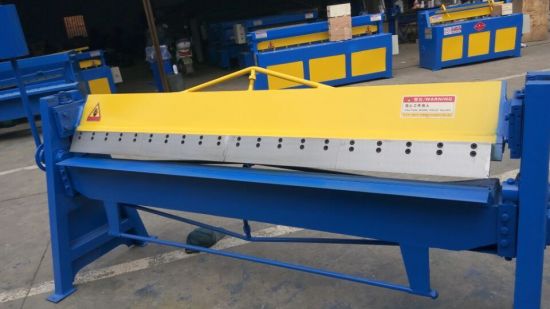
Sheet bending involves transforming flat metal sheets into various shapes. These shapes are essential components in numerous products. It is crucial to be cautious and work swiftly during the sheet bending process to maintain the metal's strength. Many companies rely on sheet bending techniques, and the market is projected to reach a value of $988.1 million in 2024, with expectations for further growth:
Year | Market Value (USD) | CAGR (%) |
|---|---|---|
2024 | 988.1 million | N/A |
2032 | 1516.42 million | 5.50 |
When engaging in sheet bending, you may encounter challenges such as:
Springback, which alters the angle after bending
Bend radius, which complicates precision
Material properties, which can make the bending process difficult
Understanding these factors enables engineers to enhance their performance in sheet bending tasks.
Sheet metal bending changes flat metal into strong shapes for many products. This process is very important in engineering. - Knowing about bend radius, K-factor, and bend allowance helps you make good designs. It also helps you use less material. - There are different ways to bend metal, like air bending and coining. Each way has its own good points. Pick the best way for your project. - You need to pick the right metal, like aluminum or stainless steel. This helps you get strong and exact bends. - If you plan for springback and use the right steps, you can stop mistakes. This makes sure your bent parts fit well.
Sheet metal bending changes flat metal into new shapes. You can make parts for cars and planes with this process. It uses force to bend metal along a straight line. You do not need fancy tools to make hard shapes. Many companies use sheet metal bending for accurate and tight parts.
Sheet metal bending helps you make hard shapes.
You do not need lots of steps or extra pieces.
It is important for making strong and light parts.
Sheet metal bending lets you make parts with different curves and angles. You can use it to make brackets, covers, and panels. Engineers in factories need to know how to bend sheet metal.
Sheet metal bending is very important in engineering and making things. It helps in many ways:
Reason | Description |
|---|---|
Strength and Resilience | Bending makes parts tough and helps them last. |
Intricate Designs | You can make cool shapes that look nice and stay strong. |
Lower Tooling Costs | Bending costs less than casting or molding. |
Reduced Weight | You can use thin metal, so parts are lighter. |
Simplified Assembly | Bending means you use fewer pieces, so building is easier and cheaper. |
Greater Design Flexibility | You can make shapes that fit special places or work better. |
Fewer Steps | You can make hard shapes without lots of steps or extra pieces. |
You need to know bend radius, K-factor, and bend allowance to design good parts. Bend radius shows how tight the curve is. K-factor tells how metal stretches and squeezes when bent. Bend allowance helps you know how much metal you need for each bend. Using these ideas helps you avoid mistakes and save metal. It also helps machines like CNC benders work faster and better.
Tip: Always check your bend math before you start. This helps you waste less and makes your sheet metal bending projects go well.
There are different ways to bend sheet metal. Each way has its own good points. Knowing about these ways helps you pick the best one.
Air bending uses a punch and die. The metal does not touch the die all the way. You change the bend angle by moving the punch deeper. This works for many types and thicknesses of metal. You do not need much force. You can change the angle after bending. But, springback can happen. This means the metal might move back a little.
Advantages of Air Bending Sheet Metal | Disadvantages of Air Bending Sheet Metal |
|---|---|
Works on many metals and thicknesses | Metal can move back to its old shape |
Needs less force than other ways | Best for bends at 90 degrees |
Tools last longer | You must check for springback |
You can change angles after bending | N/A |
Air bending is quick and easy. It is good for parts that do not need to be perfect.
Bottoming pushes the metal between the punch and die. The metal touches both tools. You use more force than air bending, but less than coining. This way gives you better bends and less springback. Bottoming is used in making cars and planes. You need very exact bends for these jobs.
Bottoming is good for making lots of parts.
You get the same bend every time.
Engineers use it when they need tight bends.
Coining uses a lot of force to press the metal. The metal matches the die shape very closely. You get very exact angles. Coining makes the metal thinner. There is almost no springback. This way is best for parts that must be very exact.
Bending Type | Process Description | Outcome Description |
|---|---|---|
Coining | Uses lots of force to press metal into the die. | Makes exact angles and thins the metal. |
Bottom Bending | Punch and die touch metal but do not press it fully. | Metal springs back, so you need sharp tooling angles. |
Air Bending | Metal barely touches the tools. | Not as exact, but you can make many angles. |
Tip: Use coining for parts that need to fit just right.
Roll bending uses rollers to make curves or round shapes. Wipe bending bends the edge of the metal over a form. These ways help you make special shapes.
Bending machines help you make straight bends. You can use hand presses or cnc sheet metal bending machines. CNC machines give you the same bend every time. They work well for hard shapes. These machines help engineers do their jobs faster and better.
Note: Pick the right machine for your job. This helps you do good work and saves time.
Sheet bending is used in many fields. It helps shape metal into strong parts. You use it to make brackets, frames, and covers. This process is good when you need parts that are strong but not heavy. Many products use sheet bending for their main structure.
Some places where sheet bending is used are:
Automotive: Car bodies, brackets, and panels
Transport: Train and bus parts, shipping containers
Domestic appliances: Washing machines, refrigerators, ovens
Furniture: Metal chairs, tables, shelves
Industrial equipment: Machine guards, enclosures, toolboxes
You choose sheet bending to save metal and money. It is also good for making lots of parts fast. You get the same part every time.
Tip: Sheet metal bending is smart if you want parts with simple or tricky angles and need the metal to stay strong.
Sometimes you pick between bending, cutting, or stamping. Each way has its own good points. Engineers look at the job and pick the best way for each part.
Process Type | When to Choose | Key Considerations |
|---|---|---|
Bending | Needs strong parts, simple or tricky angles, making lots of brackets, frames, or covers, saving metal is important | Keeps parts strong, makes many parts with little waste |
Cutting | Needs fancy shapes, many pieces from one sheet, thick sheets that are hard to bend, needs holes or patterns | Easy to change designs, works for complex shapes |
Each process gives you different results. Sheet metal bending uses regular tools and is good for small batches. You can start fast and do not need special tools. Stamping needs custom dies and is best for making lots of parts. It costs more at first, but each part gets cheaper when you make many. Laser cutting does not need special tools and is good for small jobs. It is very exact and can make many shapes.
Laser cutting is easy to take care of and does not need special tools.
Metal stamping needs new dies, which can cost a lot and wear out.
Sheet metal bending gives you sizes from ±0.005” to ±0.015”. It is flexible and good for small jobs, but springback can change the shape a little.
Stamping makes parts with tighter sizes, from ±0.001” to ±0.005”, and is best for big jobs.
Laser cutting is very exact and works well with machines.
Note: Engineers pick the process by looking at cost, speed, and quality. Think about what your project needs before you choose.
You need to choose the right metal for sheet bending. This choice helps you get strong and neat parts. Many metals work well for this process. You see steel, aluminum, and brass used often in sheet metal fabrication. These metals bend into new shapes for many products.
Some of the best metals for bending include:
Aluminum
Copper
Stainless steel
Brass
Hardened alloys
You can bend both soft and hard metals. You must think about how each metal acts when you bend it. Softer metals bend with less force. Harder metals need more care and planning. If you want to avoid problems, always check the metal’s type before you start.
Tip: You can bend many metals, but always watch for springback. This helps you keep your angles right.
Material properties change how you bend metal. You need to know about ductility and yield strength. Ductility means the metal can stretch and bend without cracking. Yield strength tells you how much force you need to bend the metal.
High-strength metals, like stainless steel or titanium, need more force to bend.
Ductile metals, such as aluminum or copper, can bend and stretch without breaking.
Brittle metals, like cast iron, do not bend well. They can crack or snap.
If you pick a metal with high ductility, you get smooth bends. If you pick a metal with high yield strength, you need stronger machines. Engineers must match the metal to the job. This helps you get safe and strong parts in sheet metal bending.
Note: Always test a small piece before you start a big project. This helps you see how the metal will act.
You need to choose the right bend radius for your project. The bend radius is the inside curve of the bend. If you pick a radius that is too small, the metal can crack. If you pick a radius that is too large, the part may not fit. You can use the table below to find the recommended minimum bend radius for steel and aluminum. This helps you avoid mistakes in your sheet metal design.
Gauge | Minimum Bend Radius: Steel (inches) | Minimum Bend Radius: Aluminum (inches) |
|---|---|---|
3 | 0.239 | 0.229 |
4 | 0.224 | 0.204 |
5 | 0.209 | 0.182 |
6 | 0.194 | 0.162 |
7 | 0.179 | 0.144 |
8 | 0.164 | 0.129 |
9 | 0.150 | 0.114 |
10 | 0.135 | 0.102 |
11 | 0.120 | 0.091 |
12 | 0.105 | 0.081 |
13 | 0.090 | 0.072 |
14 | 0.075 | 0.064 |
15 | 0.067 | 0.057 |
16 | 0.060 | 0.051 |
17 | 0.054 | 0.045 |
18 | 0.048 | 0.040 |
19 | 0.042 | 0.036 |
20 | 0.036 | 0.032 |
21 | 0.033 | 0.029 |
22 | 0.030 | 0.025 |
23 | 0.027 | 0.023 |
24 | 0.024 | 0.020 |

You also need to calculate the bend allowance. This tells you how much extra metal you need for each bend. If you skip this step, your parts will not fit right. Follow these steps to find the bend allowance:
Find the bend angle and the inner bend radius.
Calculate the K-factor, which shows where the neutral axis sits.
Use this formula:Bend Allowance (BA) = π × Angle / 180 × (Inner Radius + K × Thickness)
The formula for the flat length of a bent part is:
Sheet Metal Flat Length = Leg Length 1 + Bend Allowance + Leg Length 2.
Bend allowance is important. It helps you make sure your finished part matches your drawing. You save time and money by getting it right the first time.
The K-factor is a key part of any bending guide. It shows how the metal stretches and compresses during bending. The K-factor is the ratio between the thickness of the metal and the location of the neutral axis. The neutral axis is an invisible line inside the metal that does not stretch or shrink when you bend the sheet.
Aspect | Details |
|---|---|
K-Factor | Ratio between the thickness of the metal and the neutral axis. |
Neutral Axis | Represents the material that does not compress during bending. |
The value of the K-factor changes where the neutral axis sits:
K-Factor Value | Location of Neutral Axis |
|---|---|
0.50 | Center of material thickness |
0.33 | Closer to inside face of the bend |
You need to pick the right K-factor for your material and bending method. You can use tables from tests, DIN standards, or CAD software to help you. The K-factor depends on:
Material type
Bend radius
Bending method (air bending, bottoming, coining)
Thickness of the material
Tooling and equipment
Operator skill
Speed of bending
If you use the right K-factor, you get better bending results and fewer errors. This makes your parts fit and work as planned.
Springback happens when the metal tries to return to its old shape after bending. You need to control springback to get the right angle. Thicker materials show less springback because they can handle more stress. You can use these methods to manage springback:
Use angle control systems to measure and fix bend angles.
Overbend the part a little more than needed.
Pick the right tools for your job.
Tip: Thicker metals help you get more accurate bends because they spring back less.
If you plan for springback, you will not need to fix parts later. You save time and keep your work neat.
You can follow these tips to make your sheet bending projects easier and better:
Avoid collisions. Make sure parts do not hit each other or the machine. Adjust flange lengths or use smaller tools if needed.
Ensure corner clearance. Add small relief cuts to prevent cracks or distortion.
Prevent distortion. Keep holes away from bend lines so they do not stretch or warp.
Align flanges. Use break-off tabs or parallel edges to keep flanges straight.
Understand minimum bend requirements. Check material guides to make sure flanges are long enough for bending.
You also need to think about structural integrity. You can add bend reliefs near the inside radius to lower stress. Try new relief shapes or use digital tools to see where stress builds up. Match your relief design to the metal you use. Real-time monitoring can help you adjust reliefs as you work.
Note: Always consider material thickness and the part’s use. This keeps your parts strong and safe.
A good bending guide helps engineers avoid mistakes and make strong, reliable parts. You can use these tips to improve your sheet metal bending and get better results every time.
You can stop many problems in sheet metal bending if you follow some easy rules. Mistakes happen when you do not think about how metal moves and stretches. If you want better results, try these ideas:
Make slots that run with the bend wider. Use a clearance of 5T or 6T. T means the thickness of your metal. This helps stop the metal from getting bent out of shape.
For soft metals like soft aluminum, talk to your fabricator. You can also add more space. This helps with areas that stretch more.
Add bend reliefs. These are small cuts at the ends of bends. They help stop the metal from getting twisted, especially if you cannot use the 4T rule.
Make sure the flange is at least 4 times as long as the thickness. This gives good support on the die.
Keep enough space between bends that are next to each other. Use 6 to 8 times the thickness. This stops the tools from hitting each other.
Use the same inside bend radii and pick common angles like 90° or 45°. This makes it easier to make parts and costs less.
Tip: Plan carefully and follow these rules. You will waste less metal and avoid expensive mistakes.
Warping and cracking can mess up your bent parts. You can fix these problems by checking your steps and making small changes. The table below shows problems and ways to fix them:
Issue | Solution |
|---|---|
Bend Cracking | Use better metal or heat it up. Make the bend radius bigger. Change the layout so the bend goes across the fiber direction. Smooth the edge after cutting. |
Material Properties | Make sure the metal is strong enough and can stretch. |
Bending Direction | Change the bend line so it goes with the fiber direction. This spreads out the force. |
Process Parameters | Match the bend radius to the thickness and V-groove width. This stops too much stretching and cracking. |
You can stop most bending problems by checking your metal, changing your design, and using the right steps. Engineers who do this get parts that are strong and work well.
You can get better results in sheet metal bending by doing these things: Make your workspace comfortable so you can move metal easily. Pick new hydraulic presses to work faster. Write simple instructions for how to bend metal. Look for problems early and fix them quickly. Keep learning new ways to bend metal and follow safety rules. If you use good methods and pick the right metal, you can stop cracks and warping. You can read guides like the Sheet Metal Bending Guide or An Engineers' Guide to Bending Sheet Metal to learn more. New machines like CNC and computer programs help you work quicker and make fewer mistakes.
Tip: Always learn about new tools and ideas to get better at sheet metal bending.
You should start with aluminum. It bends easily and does not crack. You can use simple tools. Aluminum helps you learn the basics of sheet metal bending.
You can use a larger bend radius. You should pick ductile metals. You can heat the metal before bending. Always check the grain direction. This helps you avoid cracks.
Springback happens because the metal wants to return to its original shape. You can reduce springback by using thicker metal or by overbending slightly. Always measure your angles after bending.
You can bend thin sheet metal with hand tools like pliers or a mallet. For thicker metal, you need a press brake or a bending machine. Always wear safety gear.
The K-factor shows how much the metal stretches during bending.
You use it to calculate bend allowance.
Most engineers use a K-factor between 0.3 and 0.5 for common metals.