|


| Quantity: | |
|---|---|
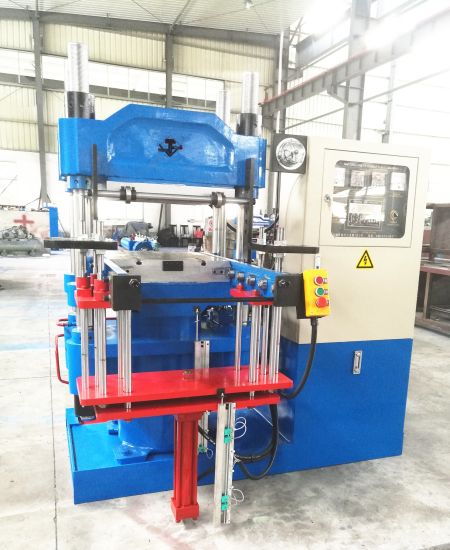
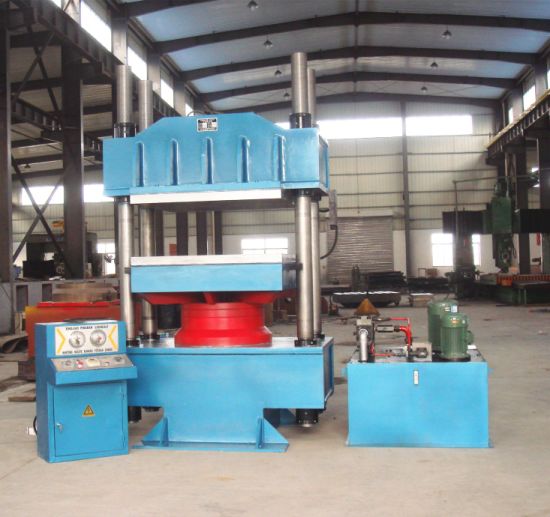
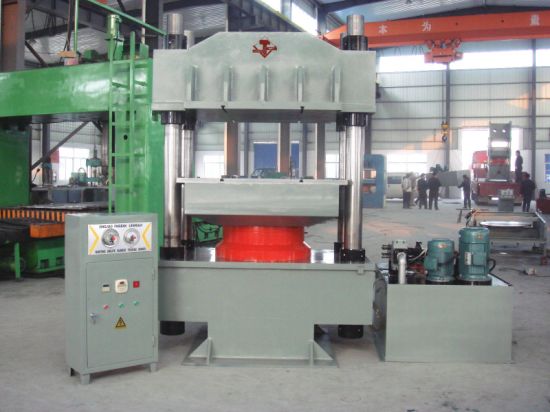
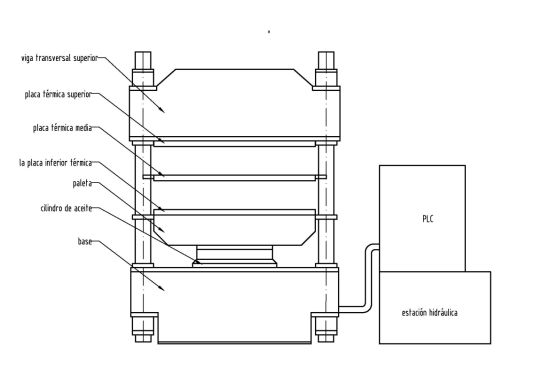
The Y130/420X420 is a precision-engineered 4-column automatic rubber vulcanizing press designed to deliver consistent results in high-precision rubber molding applications. With a 1300kN (130t) clamping force and 420mm×420mm heated platens, this machine ensures uniform pressure distribution (±2%) across the entire molding area, a critical factor in producing high-quality rubber components.
Its PLC control system with a 7-inch touchscreen interface enables programming of multi-stage curing cycles, allowing precise control over temperature, pressure, and dwell time—essential parameters for rubber vulcanization. The hydraulic safety locks prevent accidental platen opening during operation, while the 4-column structure (with chrome-plated, hardened columns) guarantees stable alignment and corrosion resistance even in industrial environments.
The machine features independent temperature control zones for upper and lower platens, ensuring ±1℃ temperature accuracy across the heating surface. This precision eliminates defects like under-curing or over-curing that can compromise rubber performance. Additional features include an automatic mold opening/closing sequence, pressure holding function, and energy-saving mode that reduces power consumption during idle periods. These capabilities make it ideal for producing consistent rubber components in automotive, industrial, and aerospace applications.
Clamping Force: 1300kN (130t)
Platen Size: 420mm × 420mm (effective heating area)
Platen Temperature Range: 50-200℃ (adjustable in 1℃ increments)
Temperature Uniformity: ±1℃ across platen surface
Heating Power: 36kW (18kW per platen)
Curing Cycle Time: 3-10 minutes (programmable)
Daylight Opening: 300-500mm (adjustable)
Motor Power: 7.5kW
Hydraulic System Pressure: 20MPa
Machine Dimensions: 2200mm × 1800mm × 2500mm
Net Weight: 8000kg
CE Certification: Compliant with EU Machinery Directive 2006/42/EC
Automotive: Produces critical rubber components including O-rings for fluid sealing, gaskets for engine assemblies, and suspension bushings that require precise hardness and elasticity. The machine’s temperature control ensures consistent material properties across production batches.
Industrial Seals: Molds hydraulic cylinder seals and valve components with tight dimensional tolerances, ensuring reliable performance in high-pressure industrial systems. Its uniform pressure distribution prevents defects like air bubbles or uneven curing.
Consumer Goods: Processes rubber flooring tiles with consistent thickness and sports equipment parts such as grips and bumpers. The machine handles both natural rubber and synthetic elastomers like EPDM and nitrile.
Aerospace: Forms aircraft door seals and thermal insulation components that meet strict aviation standards for temperature resistance and durability. The precision control ensures compliance with aerospace material specifications.
Q: How is temperature uniformity achieved?
A: Each platen features a multi-zone heating system with embedded cartridge heaters and precision thermocouples. A PID temperature controller continuously adjusts power output to each zone, maintaining ±1℃ accuracy across the entire platen surface. A forced-air circulation system further enhances temperature consistency.
Q: What maintenance is required?
A: Routine maintenance is recommended every 500 operating hours, including replacement of hydraulic oil (ISO VG46 anti-wear type), cleaning of oil filters, inspection of hydraulic seals for wear, and calibration of temperature sensors. Annual maintenance should include checking column alignment and heating element integrity.