Views: 0 Author: Site Editor Publish Time: 2025-11-04 Origin: Site


Choosing the right press brake can make or break your shop's efficiency. Are you ready to boost accuracy and productivity? In this guide, we will explore the essential factors that influence your press brake decision. You'll learn how to select the perfect machine for your operations, ensuring a seamless workflow and long-term success.
A press brake is a machine used to bend, fold, and shape sheet metal. It utilizes a punch and die set to apply force along a straight axis, forming the metal into various shapes, such as brackets, panels, and structural components. Industries like aerospace, automotive, and construction rely heavily on press brakes for precise metalworking. The quality and efficiency of your press brake directly impact your shop's overall productivity, part accuracy, and customer satisfaction.
Press brakes are versatile machines that can perform several types of bending operations, each suited for different tasks:
Air Bending: The most common type of bending, where the metal is bent at a precise angle using less force.
Bottom Bending: A more forceful bending method, suitable for thicker materials.
Coining: This is a precision bending method that requires high force and ensures minimal springback.
Each method has its applications, and understanding which one fits your operations is key to maximizing the performance of your press brake.
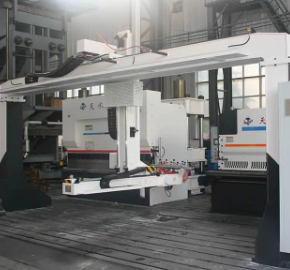
When choosing a press brake, the tonnage required is one of the most critical factors. Tonnage refers to the amount of force the press brake can apply to bend a given material. For instance, bending thicker materials like 10-gauge steel requires more tonnage than bending thinner materials like 16-gauge aluminum.
Tip: Use a Press Brake Tonnage Calculator to estimate the tonnage required for your shop’s most common projects. Be mindful of overestimating or underestimating your needs, as either can lead to unnecessary costs or damage to the machine.
Another consideration is the bend length. The length of the material your press brake can handle directly impacts your shop's capabilities. For example, if you frequently work with 10-foot-long panels, you'll need a press brake that can accommodate these lengths.
Larger machines offer more flexibility but take up more floor space.
Smaller machines are faster and more economical, ideal for short-run projects.
Prioritize the size of your shop and the typical parts you need to bend. This will help you find a machine that fits well without taking up excessive space.
If your operations demand high-precision parts or repetitive work, the precision and repeatability of your press brake are absolutely crucial. CNC (Computer Numerical Control) press brakes are designed to offer exceptional accuracy, consistently delivering parts with minimal deviation, which significantly reduces the possibility of human error. These machines also enable faster and more efficient setups, especially when working with complex geometries or large production runs. With CNC press brakes, operators can input program settings for different bending tasks, ensuring that every part is produced to exact specifications, regardless of the number of repetitions. This feature is especially important in industries such as aerospace, automotive, or electronics, where even small variances can lead to product failure or costly defects. If you are producing high-volume or high-precision parts, investing in CNC press brakes will pay off by enhancing both operational efficiency and part consistency, reducing scrap rates, and improving overall production speed.
Hydraulic press brakes are popular due to their flexibility and power. They offer adjustable stroke lengths, variable pressure settings, and are capable of bending a wide range of materials, including thicker sheets.
Advantages: Excellent for shops dealing with a variety of materials.
Drawback: They require more maintenance and are slower than mechanical press brakes.
Electric press brakes, also known as servo-electric press brakes, use servo motors to control the bending ram. These machines are energy-efficient and provide highly accurate bends with low maintenance needs.
Advantages: High efficiency, low energy consumption, and precision.
Drawback: Limited tonnage capability; not suitable for very thick or heavy materials.
If you need a cleaner, more energy-efficient press brake, electric options are ideal for light-duty work and smaller batch production.
Hybrid press brakes combine hydraulic and electric technologies to offer both power and energy efficiency. These machines are versatile, adaptable, and perform well in various production settings.
Advantages: Balanced power, energy efficiency, and reduced heat generation.
Drawback: Higher upfront costs.
Choose a hybrid press brake if your shop needs a mix of power and energy efficiency but can handle the initial investment cost.
CNC press brakes are an excellent choice if your shop requires automation, speed, and precision. These machines can handle complex and varied jobs with minimal manual intervention, significantly reducing cycle times and human error.
Speed: CNC machines reduce setup and operation times.
Repeatability: Automated systems offer consistent results across long runs.
For high-throughput operations with complex bending jobs, CNC press brakes are a smart choice for increasing production efficiency.
Manual press brakes are ideal for low-volume production or shops with simpler tasks. They offer a lower upfront cost but require skilled operators to perform precise bends.
Advantages: Lower cost and flexibility for simple bends.
Drawback: Requires skilled labor and is slower than CNC models.
If your shop handles low-volume or basic tasks, manual press brakes can be a cost-effective solution.
Safety and ergonomics are paramount when selecting any industrial machinery, and press brakes are no exception. A press brake's safety features ensure the well-being of operators and reduce the risk of accidents during operation. Look for machines equipped with built-in light curtains, which create an invisible safety zone around the machine and automatically halt operation if breached. Laser guards provide an additional layer of protection by monitoring the work area, while emergency stop buttons allow operators to immediately halt the machine in case of malfunction or danger. These features are essential to meet or exceed OSHA (Occupational Safety and Health Administration) standards, ensuring that your press brake operation remains compliant with workplace safety regulations.
Beyond safety, ergonomics play a critical role in operator comfort and productivity. A press brake designed with ergonomic features, such as adjustable controls, cushioned seats, and well-placed lighting, reduces operator fatigue during extended use. Ergonomics also include the layout of controls that are easy to reach and intuitively designed to minimize strain on the operator's body. Machines that promote comfort reduce the risk of workplace injuries and increase overall efficiency by maintaining high levels of operator focus and alertness throughout the day. When selecting a press brake, consider the long-term health and safety of your workforce by choosing one that supports both efficiency and well-being.
When considering a press brake purchase, it's important to evaluate the total cost of ownership (TCO), which encompasses much more than just the initial purchase price. The TCO includes ongoing expenses such as maintenance, tooling, operational training, and consumables. Proper maintenance is crucial for ensuring that your press brake remains in optimal working condition, preventing costly breakdowns and minimizing downtime. Additionally, tooling costs can add up, especially if the machine requires specialized dies or punches for different tasks. Consider machines that offer low-maintenance designs or those with extended warranties, which can reduce repair costs and provide peace of mind.
Another important aspect of budgeting for a press brake is the cost of operator training. Skilled operators are essential for maximizing the machine’s potential, and providing adequate training ensures that your team can utilize the press brake effectively, reducing operational errors and increasing production efficiency. It's also wise to factor in long-term costs associated with tooling replacements and machine upgrades as your business grows and your needs evolve.
If your budget is limited, many suppliers offer financing or lease-to-own plans, allowing you to spread the cost of the press brake over time without compromising on quality. Financing options can help you manage cash flow, giving you access to state-of-the-art machinery without draining your capital reserves. Whether through outright purchase, leasing, or financing, it’s essential to assess the full financial impact of your press brake investment to ensure it aligns with your business’s long-term financial goals and operational requirements.
Before committing to a press brake, make sure it fits comfortably in your shop. Account for the machine's footprint, material handling area, and operator movement. Measure your available space and consider clearance for material loading and unloading before finalizing your decision.
Different press brakes require varying levels of electrical power and ventilation. Hydraulic models, for example, may need additional cooling and power management systems. Check the power requirements (e.g., three-phase power) and ensure you have the necessary infrastructure in place.
Selecting the right Press Brake is more than just a financial investment—it's a strategic decision that can improve your shop's efficiency, reduce costs, and enhance your production capacity. By considering factors like tonnage, precision, safety, and long-term costs, you can choose a machine that will serve your business for years to come. Whether you opt for a hydraulic, electric, or hybrid model, the right press brake will align with your shop's needs and drive greater productivity. Always consult with experts or request a demo before making the final purchase. This hands-on experience can help you make a confident decision.
For high-quality press brakes, consider TSD. Their products provide excellent performance, backed by expert support and tailored solutions.
A: A press brake is a machine used to bend, shape, and form sheet metal. It's crucial for industries like automotive and aerospace to achieve precise and consistent metal parts.
A: To choose the right press brake, consider factors like tonnage, bend length, material type, and machine size. A large press brake may be necessary for larger parts or thicker materials.
A: A large press brake offers increased capacity for bending thicker materials, ensuring greater flexibility and accuracy for larger production runs.