Views: 0 Author: Site Editor Publish Time: 2025-11-05 Origin: Site


Have you ever wondered what makes a hydraulic press machine so powerful? From automotive manufacturing to metal shaping, these machines play a key role in various industries. Understanding the individual parts of a hydraulic press machine, including how components like the Hydraulic Swing Beam Shear work together, is essential for efficient operation. In this article, we will explore the names and functions of key hydraulic press machine parts. You'll learn how each part contributes to its performance and how they ensure precise, reliable results.
The frame serves as the backbone of the hydraulic press machine. This robust structure holds all the other components in place and ensures stability under high pressures. Made from high-strength materials such as mild steel or other strong steel alloys, the frame must withstand significant shock and force during operation. Its design and construction determine the overall strength and durability of the machine.
The choice of materials for the frame is crucial in ensuring its ability to handle extreme pressures. Steel alloys are typically used due to their strength, toughness, and resistance to deformation. The frame's design also plays a role in categorizing the type of hydraulic press machine, such as H-frame, C-frame, or four-column frame.
A well-designed frame ensures precision and alignment during pressing operations. It supports the hydraulic cylinders, ram, and tooling system, making sure they function together smoothly and accurately. The frame also helps distribute the load evenly, preventing any distortion or misalignment during the press cycle. When selecting a hydraulic press, consider the frame design for optimal strength and alignment in your specific application.
The hydraulic cylinder is the core actuator of the hydraulic press. It converts hydraulic fluid pressure into mechanical force, which is then used to press, bend, or shape materials. The cylinder contains a piston that moves within a chamber, pushing the ram to apply force to the material. The size and strength of the hydraulic cylinder are directly related to the machine's tonnage capacity.
The ram (also referred to as the piston) is a moving part within the hydraulic cylinder. It delivers the force generated by the hydraulic fluid to the material being processed. Rams come in various sizes and configurations depending on the specific task. For example, a deep-drawing press might use a long stroke ram, while a compact press may only require a short stroke.
Single-Acting Cylinders: These cylinders apply force in one direction. The return stroke is typically achieved by gravity or spring action.
Double-Acting Cylinders: These cylinders provide force in both directions, offering greater control and force during the press cycle.
Choosing between single-acting and double-acting cylinders depends on the specific application. Double-acting cylinders offer more precision for complex tasks.
Hydraulic fluid is the lifeblood of a hydraulic press machine. It transmits power from the pump to the hydraulic cylinders, allowing the press to generate force. The fluid also performs several other critical functions, including lubrication, cooling, and sealing. The quality of the hydraulic fluid plays a vital role in the machine's performance and longevity.
The reservoir stores hydraulic fluid when it's not in use, ensuring that the system remains at optimal fluid levels. It also serves as a cooling and filtration system. The reservoir allows for heat dissipation and impurities to settle, improving the overall efficiency of the press. Additionally, reservoirs help maintain the pressure by allowing air and moisture to escape, preventing contamination. Regular fluid checks and reservoir maintenance can significantly extend the lifespan of your hydraulic press.
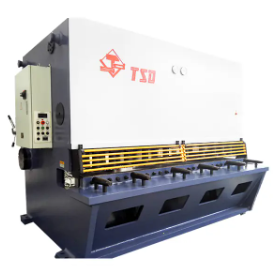
The hydraulic pump is responsible for generating the pressure that powers the hydraulic system. It converts mechanical energy from an electric motor or engine into hydraulic energy by pushing fluid into the system. The pump is typically a positive displacement pump, meaning it delivers a constant amount of fluid with each cycle, ensuring consistent pressure.
Gear Pumps: Suitable for low to medium pressure applications.
Vane Pumps: Provide a more consistent flow, ideal for mid-range applications.
Piston Pumps: Best for high-pressure, heavy-duty operations.
Each type of pump is chosen based on the required pressure and flow rate for the specific application.
The Hydraulic Power Unit (HPU) is the heart of the hydraulic system. It consists of the pump, motor, reservoir, and other components that work together to deliver hydraulic power to the press. The HPU ensures that the fluid is pressurized and circulated efficiently, allowing the press to perform its intended tasks.
Control valves are responsible for directing the flow of hydraulic fluid to various parts of the press. They determine the speed and direction of the ram's movement. There are three main types of control valves:
Directional Control Valves: Direct fluid to different parts of the system.
Pressure Control Valves: Regulate the pressure to prevent overloads.
Flow Control Valves: Control the speed of the hydraulic cylinder's movement.
The pressure regulator plays a critical role in maintaining the optimal performance of a hydraulic system. It controls and regulates the pressure within the system, ensuring that it remains within safe operational limits. By carefully monitoring the pressure, the regulator prevents it from exceeding maximum safe thresholds, which could otherwise result in system malfunction, equipment damage, or even catastrophic failure. When the pressure reaches an excessive level, the regulator redirects the excess hydraulic fluid back to the reservoir, allowing the system to maintain a balanced and efficient operation. This function not only protects the integrity of the components but also enhances the system's longevity, ensuring reliable performance over time. Proper pressure regulation is essential to maximize efficiency, minimize wear and tear, and extend the overall lifespan of the hydraulic system and its components.
Gibs are adjustable guides that ensure the ram moves in a precise, straight path. They help maintain squareness and parallelism during the pressing process. Bushings are used to reduce friction between the ram and the frame, ensuring smooth operation. High-quality bushings are made of graphite-impregnated bronze, which reduces wear and extends the machine's lifespan.
Transducers and sensors monitor critical parameters such as pressure, stroke position, and temperature. These devices feed data back to the control system, allowing for real-time adjustments and enhancing the press's accuracy and efficiency.
The Human-Machine Interface (HMI) is a programmable touchscreen that allows operators to control and monitor the hydraulic press. The HMI enables precise control over the press cycle, including pressure, speed, and stroke length. Advanced HMI systems can also store process data for future reference and troubleshooting.
A hydraulic press machine is a sophisticated piece of equipment with many components working together to generate powerful force for various industrial tasks. Knowing the names and functions of these parts is essential for operators and engineers to ensure efficient, safe, and reliable operation. Each part, from the frame to the hydraulic fluid system, plays a critical role in the machine's performance.
Familiarizing yourself with the hydraulic press machine part names list can help you make informed decisions when selecting or maintaining a hydraulic press. TSD's products offer exceptional value, providing efficient and reliable hydraulic presses designed for industries such as automotive manufacturing and metal forming. Their advanced systems ensure performance with minimal downtime and reduced maintenance.
A: A hydraulic press machine uses hydraulic pressure to generate force, typically used for forming, shaping, or compressing materials in industries such as automotive and metalworking.
A: The main parts include the frame, hydraulic cylinders, pumps, valves, and hydraulic fluid. Each part plays a crucial role in ensuring efficient operation.
A: Familiarity with the hydraulic press machine part names list helps operators understand each component’s function, ensuring better maintenance and troubleshooting.