Views: 0 Author: Site Editor Publish Time: 2025-11-07 Origin: Site


Choosing the right press brake size can make or break your shop's productivity. Are you selecting the right machine? Sizing involves factors like tonnage, bend length, and material thickness. In this article, we will guide you through the critical aspects of press brake sizing, helping you make an informed decision for your shop.
A press brake is a machine used to bend sheet metal by applying pressure through a punch and die set. It's a fundamental tool in industries such as aerospace, automotive, and manufacturing, where precise bending is required. A press brake's size directly affects how well it can handle the materials, thickness, and complexity of the bends needed.
Selecting the right press brake involves more than just picking one that fits your shop's space; it's about choosing the machine that best matches your operational needs. Press brakes come in various sizes and types, each suitable for different applications. The right choice can optimize your production process, reduce downtime, and improve part accuracy.
The size of your press brake determines the material thickness it can handle, the maximum length of parts you can bend, and the tonnage required for specific tasks. An incorrectly sized press brake can cause inefficiencies, such as overburdening the machine or underutilizing its capacity.
Larger press brakes are ideal for bending thicker materials or larger parts but may require more floor space and higher energy consumption. Smaller machines are better suited for quick setups, small parts, and light-duty jobs, but they may lack the capacity for larger materials. Ensure the press brake size aligns with your shop;s most common tasks to avoid unnecessary costs and operational limitations.
Tonnage refers to the amount of force a press brake can apply to bend a material. It's a critical factor when selecting a press brake because it dictates how thick the material can be and how easily it can be bent. For example, thicker materials like 10-gauge steel will require more tonnage compared to thinner materials like 16-gauge aluminum.
Incorrect tonnage estimation can either lead to machine damage or inefficiency. If the tonnage is too high, you may waste energy, increase costs, and stress the machine. On the other hand, too low tonnage can cause the machine to fail during the bending process, leading to damage and production delays.
Press brake size and tonnage calculation is made easier with a tonnage calculator. These tools help determine the precise amount of force required based on the material thickness and length. By entering the type of material and its thickness into the calculator, you can find out the tonnage needed for your machine.
Underestimating the tonnage can lead to insufficient bending force, causing poor-quality parts or machine failure. Overestimating may result in wasted energy and higher operational costs. Therefore, using accurate tonnage calculations will help avoid unnecessary expenditures and increase machine longevity. Use a Press Brake Tonnage Calculator to ensure the machine you choose can handle your shop's material needs without overburdening the system.
Bend length is the maximum length of material your press brake can handle. It affects how long of a piece you can bend in a single operation. Typically, the larger the press brake, the longer the material it can handle.
When determining bend length, consider the typical size of the parts you need to bend. If your projects often involve 10-foot panels, you’ll need a press brake that can accommodate that length. Too small of a machine could limit your production capabilities.
If you frequently deal with long panels or large parts, you'll need to prioritize machines that provide sufficient bend length. Large press brakes have the capacity to bend longer materials, which is crucial for industries that work with wide or long sheets. If your shop works with larger parts, it's essential to select a press brake that accommodates the necessary bend length to avoid production bottlenecks.
While a larger press brake allows for longer bends, it also requires more space. Balancing the machine's bend length with the available floor space is key to maintaining an organized, efficient workflow. Ensure there's adequate clearance for loading and unloading materials, as well as for the operator to maneuver around the machine.
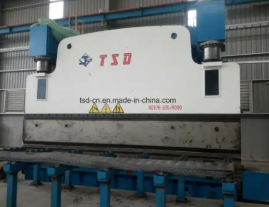
Precision is vital when producing parts that require tight tolerances. Larger press brakes must be able to consistently produce the same bend over multiple cycles. If your operations involve high-precision tasks, such as aerospace parts or medical device components, you must ensure your press brake offers the required level of accuracy.
CNC press brakes offer the best precision, allowing operators to program the machine for automatic, consistent bends. These machines reduce human error and set-up time, which boosts overall productivity. If you need high-precision parts, invest in a CNC press brake to improve repeatability and reduce errors.
CNC press brakes offer superior control, speed, and accuracy compared to manual models. For high-throughput jobs, CNC machines help minimize setup times, reduce human error, and provide consistent bending quality. Manual press brakes are less precise but offer flexibility for low-volume or simple tasks.
If your shop produces a high volume of complex parts, a CNC press brake may be your best option. Manual press brakes are better suited for basic, low-volume work.
Hydraulic press brakes are powerful and versatile, capable of handling thicker materials with ease. They offer adjustable stroke lengths and varying pressure settings, making them ideal for heavy-duty tasks. However, they tend to require more maintenance and have slower cycle times compared to other types. If you work with thick materials or need more flexibility, a hydraulic press brake is an excellent choice.
Electric press brakes, also known as servo-electric press brakes, offer high efficiency and precision with lower maintenance requirements. These machines are more energy-efficient and provide better control for light-duty work. However, they may not be able to handle heavy-duty tasks like hydraulic models.
Hybrid press brakes combine the benefits of both hydraulic and electric systems. They offer a balance of power and energy efficiency, making them suitable for various production environments. If energy efficiency and lower maintenance are priorities, consider investing in an electric or hybrid press brake.
Before purchasing a press brake, ensure that it will fit comfortably within your shop's available space. Consider the machine's footprint, as well as additional room for material handling, operator movement, and maintenance access. Measure the available space in your shop and factor in material loading and unloading areas when selecting the press brake size.
Large press brakes require substantial electrical power to operate, especially hydraulic models. Be sure to check the machine's electrical specifications, such as whether it requires three-phase power or specific voltage settings. Additionally, consider the cooling systems that may be necessary for larger models. Verify that your shop's electrical infrastructure can support the power requirements of the press brake you plan to purchase.
Selecting the right press brake is essential for optimizing your shop's productivity and ensuring high-quality parts. By understanding the factors that influence press brake sizing, such as tonnage, bend length, and precision, you can make an informed decision that aligns with your shop's needs. Whether you choose a hydraulic, electric, or hybrid press brake, ensure it fits your production requirements, available space, and budget. Always consult with experts or request a demo to get hands-on experience before making your final decision.
By considering the key factors outlined above, you can confidently choose a press brake that will support your operations for years to come. For high-quality press brakes, TSD offers reliable, versatile machines to enhance your production capabilities and long-term success.
A: To determine the right press brake size, consider factors like material thickness, part length, and required tonnage. A press brake size and tonnage calculation will help ensure you select the correct machine for your needs.
A: Key factors include the material type, thickness, and length of parts you'll be bending. These affect the tonnage and bed length required to properly size a press brake.
A: The tonnage determines the amount of force needed to bend materials. Correct sizing ensures efficiency and avoids machine overload or underperformance.