Views: 0 Author: Site Editor Publish Time: 2025-10-23 Origin: Site


Operating a Heavy Duty Hydraulic Press requires skill and precision. Have you ever wondered how these powerful machines operate safely and effectively? In this guide, we'll break down the steps you need to take for smooth operation and maintenance. You'll learn how to ensure maximum performance while keeping safety a priority throughout the process.
A Heavy Duty Hydraulic Press is a powerful machine designed to apply compressive force using hydraulic pressure. It consists of a hydraulic cylinder that uses pressurized fluid to move a piston, which exerts a large amount of force onto a workpiece. The press's power can vary, with tonnage ranging from thousands of tons in industrial settings.
These presses are versatile and can be used for a wide range of tasks like shaping, bending, and stamping materials, making them invaluable in industries such as automotive, aerospace, and manufacturing.
Hydraulic presses are indispensable for several industrial applications. Here are a few examples:
Automotive Forming Operations: Heavy-duty hydraulic presses can generate up to 1,000 tons of pressure, making them ideal for manufacturing parts like car body panels.
Shipbuilding: In the shipbuilding industry, presses capable of exerting over 5,000 tons are used for forging large metal parts, contributing to the production of structural elements in ships.
Tonnage refers to the maximum pressure a hydraulic press can apply. It is crucial because the higher the tonnage, the more force the press can exert. The force is what allows it to shape, bend, or stamp materials effectively. For example, automotive and shipbuilding industries require hydraulic presses with a high tonnage to process large, tough materials.
Example: In metal forming, a press with higher tonnage ensures that even the most rigid materials can be shaped without cracking or breaking.
When working with heavy-duty hydraulic presses, it is vital to wear the proper personal protective equipment (PPE). The high pressure involved in press operations can be dangerous if safety measures are ignored. Essential PPE includes:
Safety glasses to protect your eyes from debris and splinters.
Gloves to ensure a firm grip and protect against sharp edges.
Steel-toe boots to shield your feet from potential falling parts.
Before operating the press, always conduct a thorough inspection:
Check for Leaks: Leaks in the hydraulic system can lead to malfunction and potential hazards.
Emergency Stop Function: Ensure the emergency stop mechanism works correctly to avoid accidents.
Pressure Settings: Confirm that the pressure gauge is calibrated, and the hydraulic fluid is at the correct levels.
Accidents can occur unexpectedly, so it's crucial to understand emergency shutdown procedures:
Immediate Power Down: In case of malfunction or abnormal behavior, quickly stop the press by using the emergency stop button.
Hydraulic Fluid Management: Ensure that the hydraulic fluid is properly maintained to avoid pressure loss during operations.
Always test the emergency stop function before using the machine to ensure it's in working condition.
Before setting up the hydraulic press, you must choose an appropriate location. Here are a few things to consider:
Space Requirements: The hydraulic press needs ample space for operation, maintenance, and safe movement around the machine.
Workspace Layout: Position the press so that operators can move freely, and install safety barriers to minimize risks.
The hydraulic press operates based on the fluid used in the system. Here's how you ensure everything is set up correctly:
Fluid Type: Use the recommended hydraulic fluid that meets the manufacturer's specifications.
Fluid Level Check: Always confirm that the fluid level is adequate and that the fluid is clean to maintain press efficiency.
Pressure Adjustment: Set the correct pressure based on the material being processed. Too much pressure can damage the material, while too little won't achieve the desired results.
Before beginning full operations, it's vital to run a trial:
Test Run: Conduct a test to ensure everything is functioning as expected. Check for any misalignments or issues.
Adjustments: Based on the trial results, make necessary adjustments, such as recalibrating the pressure settings or aligning the tooling.
Always perform a trial run to identify any operational issues before engaging in full-scale production.
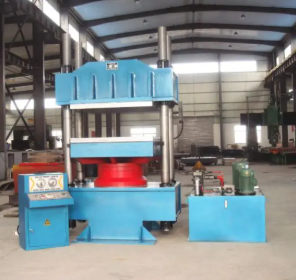
Correctly placing the workpiece is essential for a successful operation:
Workpiece Alignment: Position the workpiece so that it’s centered between the ram and the press bed.
Tooling Setup: Ensure that the tooling is correctly installed and can handle the material's pressure requirements.
To avoid accidents and damage, secure the workpiece:
Clamping: Use appropriate fixtures or clamps to secure the workpiece without causing any damage.
Support: Depending on the material's size and weight, additional support blocks may be necessary to hold it in place.
Choosing the correct tooling for the operation is essential:
Tooling Selection: Choose tooling that is compatible with the material and the desired forming process.
Press Alignment: Ensure the press is correctly aligned with the tooling to avoid any damage during the operation.
The hydraulic press can be used for various forming operations, including:
Shaping: Molding materials into specific shapes.
Bending: Applying force to bend materials without breaking them.
Drawing: Stretching material into a new shape or form.
Different forming processes require different settings:
Pressure Adjustment: Set the hydraulic press to the appropriate pressure for the material type.
Stroke Length: Adjust the stroke length according to the desired depth or shape of the workpiece.
Throughout the operation, it's important to monitor the press:
Continuous Monitoring: Keep an eye on the pressure gauge and adjust settings if needed.
Irregularities: If the material starts to deform incorrectly, stop the operation and make necessary adjustments.
Always ensure that the pressure applied is within the material's limits to prevent damage.
Once the forming process is complete:
Pressure Release: Slowly release the pressure to ensure the ram retracts fully.
Workpiece Handling: Be careful when removing the workpiece, especially if it's hot or sharp-edged.
Post-operation inspection is critical:
Defect Checking: Look for any defects, such as cracks or incomplete forming.
Measurement: Use calipers or other measuring tools to ensure the formed part meets the required dimensions.
After removal, ensure proper handling:
Mechanical Assistance: For heavier parts, use cranes or other mechanical aids to prevent injury.
Storage: Store parts in a clean, dry location to prevent damage or contamination.
Regular cleaning extends the life of your hydraulic press:
Surface Cleaning: Use a soft-bristle brush or vacuum cleaner to remove loose debris.
Fluid Reservoir: Clean the hydraulic fluid reservoir and inspect the condition of the hydraulic filters.
Routine maintenance includes:
Lubricating Moving Parts: Apply the recommended lubricant to keep the press running smoothly.
Inspecting for Wear and Tear: Check for any signs of wear, especially on moving parts like the ram.
When not in use, proper storage is essential:
Clean Storage Area: Store the hydraulic press in a dry, clean environment to avoid corrosion or buildup.
Locking Mechanism: Ensure the press is securely locked to prevent unauthorized access.
Regular maintenance and cleaning not only extend the machine's life but also ensure it operates efficiently.
Operating a Heavy Duty Hydraulic Press requires careful preparation, adherence to safety measures, and regular maintenance. By following the guidelines in this article, you can maximize the performance of your Heavy Duty Hydraulic Press, ensuring high-quality results while maintaining a safe work environment. For the best results and to ensure proper adjustments specific to your press model, always consult the manufacturer's manual. At TSD, we provide expert advice and high-quality hydraulic presses to meet your industrial needs. Contact us today for more information and personalized support.
A: A Heavy Duty Hydraulic Press uses hydraulic pressure to apply force for shaping, bending, or forming materials. It's used in industries like automotive and shipbuilding for high-pressure tasks.
A: Follow the Heavy duty hydraulic press operation guide: ensure the machine is properly set up, check safety features, and always wear appropriate PPE. Regular inspections and safe alignment of the workpiece are essential.
A: Tonnage indicates the maximum force the press can apply. It's crucial for determining the press's ability to handle specific materials and tasks in high-pressure environments.