Views: 0 Author: Site Editor Publish Time: 2025-10-20 Origin: Site


Are you still relying on traditional presses for your manufacturing? You could be missing out on the benefits of a Servo Press. This technology is revolutionizing modern production with higher efficiency, precision, and flexibility.
In this article, we will explore the 16 key advantages of servo presses. You'll understand why investing in one could be a game changer for your business.
A servo press is a type of press machine powered by a servo motor instead of traditional flywheel or hydraulic systems. The servo motor allows for precise control of the machine's motion and force, making it ideal for applications that require high accuracy and flexibility. Unlike hydraulic presses that are always powered by fluid, servo presses use electrical energy only when needed, improving both energy efficiency and performance.
A servo press operates by using a servo motor to drive the ram or slide, offering variable speed and position control. The servo motor is managed by a closed-loop system that adjusts the motion based on real-time feedback. This makes it highly accurate, unlike traditional presses that are restricted by mechanical or hydraulic limitations.
Servo presses differ from hydraulic presses in several ways. Hydraulic presses use fluid pressure to operate, requiring constant energy input. In contrast, servo presses only consume energy during the pressing process. Additionally, servo presses offer more flexibility in terms of speed, position control, and programming, which hydraulic and mechanical presses struggle to match.
One of the standout features of servo presses is their precision control. The servo motor's ability to finely tune the force and motion allows for high-accuracy applications.
Servo presses provide precise control over motion and force, which ensures that parts are manufactured consistently and accurately. This precision is crucial for industries where small deviations can result in costly errors or rejections. For example, in automotive manufacturing, the accuracy of servo presses allows for precise forming of metal parts, ensuring they fit together perfectly in the assembly process.
Industries such as aerospace and medical device manufacturing rely heavily on precision. Servo presses, with their superior control mechanisms, are perfect for creating complex, high-tolerance parts. Whether it's aerospace components that need to meet strict regulatory standards or medical devices that require consistent dimensions, servo presses excel at maintaining quality.
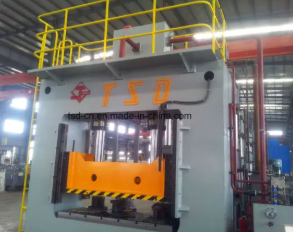
Energy efficiency is a major advantage of servo presses over traditional hydraulic machines. Unlike hydraulic presses that continuously use energy to maintain pressure, servo presses operate only when needed, making them more energy-efficient.
Servo presses operate by consuming power only during the pressing cycle, which significantly reduces energy consumption. This makes them more cost-effective over time, particularly in industries where presses cycle frequently. For example, in automotive or consumer electronics manufacturing, where rapid cycles are needed, a servo press can provide considerable energy savings compared to hydraulic presses.
In addition to saving money, servo presses are better for the environment. Since they do not rely on hydraulic fluids or consume power continuously, they contribute to a reduction in energy waste and pollution. This makes them an attractive choice for companies aiming to reduce their carbon footprint.
Tip: If your business is focused on energy conservation or sustainability, investing in servo presses could provide both financial savings and environmental benefits.
Another major advantage of servo presses is their flexibility. These machines can be easily reprogrammed and adjusted to handle a variety of tasks, making them incredibly adaptable in fast-paced production environments.
Servo presses are ideal for industries that require frequent changes in production processes. Their ability to adjust speed, force, and stroke length allows manufacturers to switch between different parts or materials quickly. This adaptability makes them suitable for industries like automotive, where rapid design changes are common.
With servo presses, manufacturers can program different motion profiles to match the requirements of specific applications. Whether it's for sheet metal forming or plastic molding, the customizable nature of servo presses ensures that manufacturers can get optimal results for a variety of processes without the need for multiple machines.
Maintaining equipment and minimizing downtime are always top priorities in manufacturing. Servo presses excel in this area due to their reduced mechanical parts compared to hydraulic presses.
Servo presses are designed with fewer moving parts, which reduces wear and tear. In contrast, hydraulic presses often have complex systems that require frequent maintenance. This not only lowers maintenance costs but also reduces the amount of downtime, allowing for more consistent production output.
The reduced need for repairs and maintenance translates into long-term savings. With servo presses, the replacement of parts like pumps or valves is minimized, and when repairs are needed, they are generally less costly than those required for hydraulic presses. Regularly monitor the performance of your servo press to keep maintenance costs low and maximize its operational lifespan.
Servo presses operate with much lower noise levels than traditional hydraulic presses. This can improve the working environment for employees, making it more comfortable and safer.
The quiet operation of servo presses reduces noise pollution on the factory floor, benefiting employees who would otherwise be exposed to high decibel levels from hydraulic machines. In industries where workers are exposed to loud environments, this reduction can be significant in improving workplace safety and health.
Noise reduction also contributes to better health and safety standards. By decreasing the auditory stress on operators, servo presses help ensure that employees are not at risk of hearing loss or other health issues associated with noisy machinery.
Servo presses come equipped with advanced safety features that provide additional protection for operators.
Many servo presses are designed with safety mechanisms such as light shields, interlocks, and emergency stop systems. These features help ensure that operators are protected from accidents during operation.
By incorporating these advanced safety features, servo presses not only comply with industry safety standards but also contribute to a safer workplace. This helps reduce the risk of injuries and ensures smooth operation without delays caused by accidents.
Servo presses are well-suited for the future of manufacturing. They integrate seamlessly with Industry 4.0 technologies such as automation, robotics, and data analytics.
Servo presses can easily connect to IoT systems, allowing manufacturers to gather data and monitor the press's performance in real time. This integration helps optimize production processes and improves overall factory efficiency.
With real-time data, manufacturers can predict when maintenance is needed, reducing downtime and ensuring that the press is always performing at its best. This predictive maintenance capability also helps extend the lifespan of the press.
Integrating servo presses with Industry 4.0 technologies will not only enhance efficiency but also provide valuable insights into optimizing production.
Servo presses are known for their high-speed performance and rapid acceleration, making them ideal for industries that require fast production cycles.
Servo motors allow for quick adjustments to speed and positioning, making servo presses ideal for high-volume production environments. With their ability to perform at high speeds, they help increase the overall throughput of manufacturing lines.
By enabling faster cycle times, servo presses allow manufacturers to produce more products in less time, significantly improving overall productivity.
Servo presses offer numerous advantages over traditional press machines. From energy efficiency to precision control, and from flexibility to reduced maintenance, they provide a comprehensive solution for modern manufacturing needs. Whether you're in automotive, aerospace, or consumer goods, the 16 advantages of servo presses make them an investment worth considering.
As industries continue to evolve, incorporating servo presses into your production processes can help keep your business competitive, efficient, and environmentally conscious.
TSD provides advanced servo press technology that ensures superior performance, saving time and money. Their products, designed for high precision and flexibility, offer valuable solutions across diverse industries.
A: A Servo Press is a type of press machine that uses a servo motor for precise control of motion and force. It offers advantages like energy efficiency and flexibility compared to traditional mechanical and hydraulic presses.
A: Servo presses consume energy only during pressing cycles, unlike hydraulic presses that continuously use power. This results in significant energy efficiency advantages, reducing operating costs.
A: Servo presses offer more precise control, faster cycle times, lower energy consumption, and reduced maintenance compared to hydraulic presses, making them ideal for modern manufacturing needs.